Cupertino News

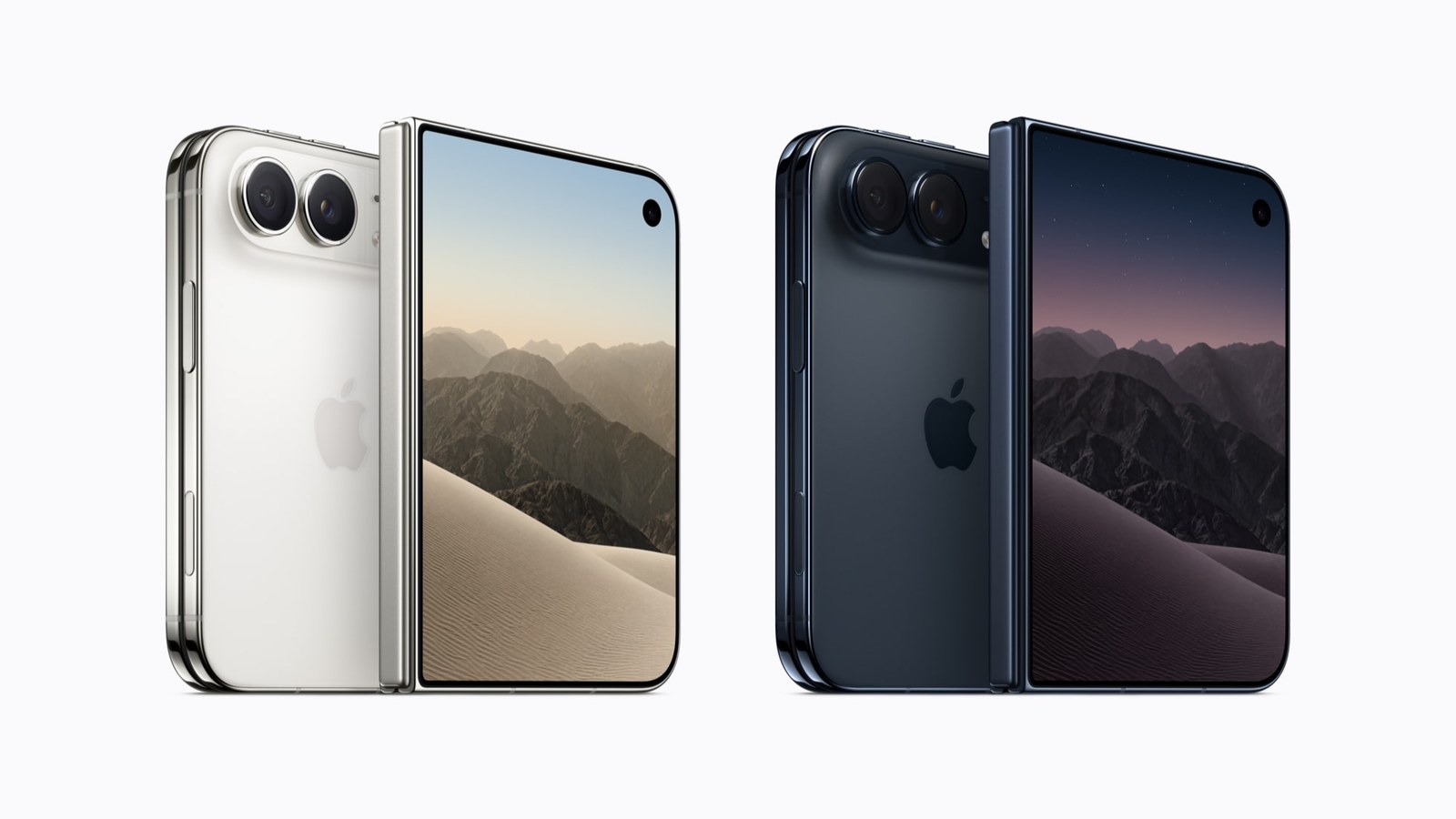
iPhone Duo, Apple's first foldable, starts at $1,999 and ships October 23

NewsSep 9, 2026 at 11:24 AM

Apple has introduced the iPhone Duo, its first foldable phone. Pre-orders begin on Friday, October 16 at 5 a.m. Pacific time, and the phone goes on sale on October 23 in the United States and more than 70 other countries and regions. Another 28 markets follow on October 30.

U.S. pricing starts at $1,999 for 256GB, then $2,199 for 512GB, $2,599 for 1TB and $3,199 for 2TB. It comes in Star White and Night Sky.

The Duo uses a book-style design. It has a 5.4-inch outer screen and a 7.6-inch inner display, and MacRumors reports a matte nano-texture finish intended to cut glare and make the crease less visible. The rear cameras are a 48-megapixel main and a 48-megapixel ultra wide, with a 12-megapixel Center Stage camera on the outer display.
iOS 27 with the new Siri AI arrives September 14

SoftwareSep 9, 2026 at 10:42 AM

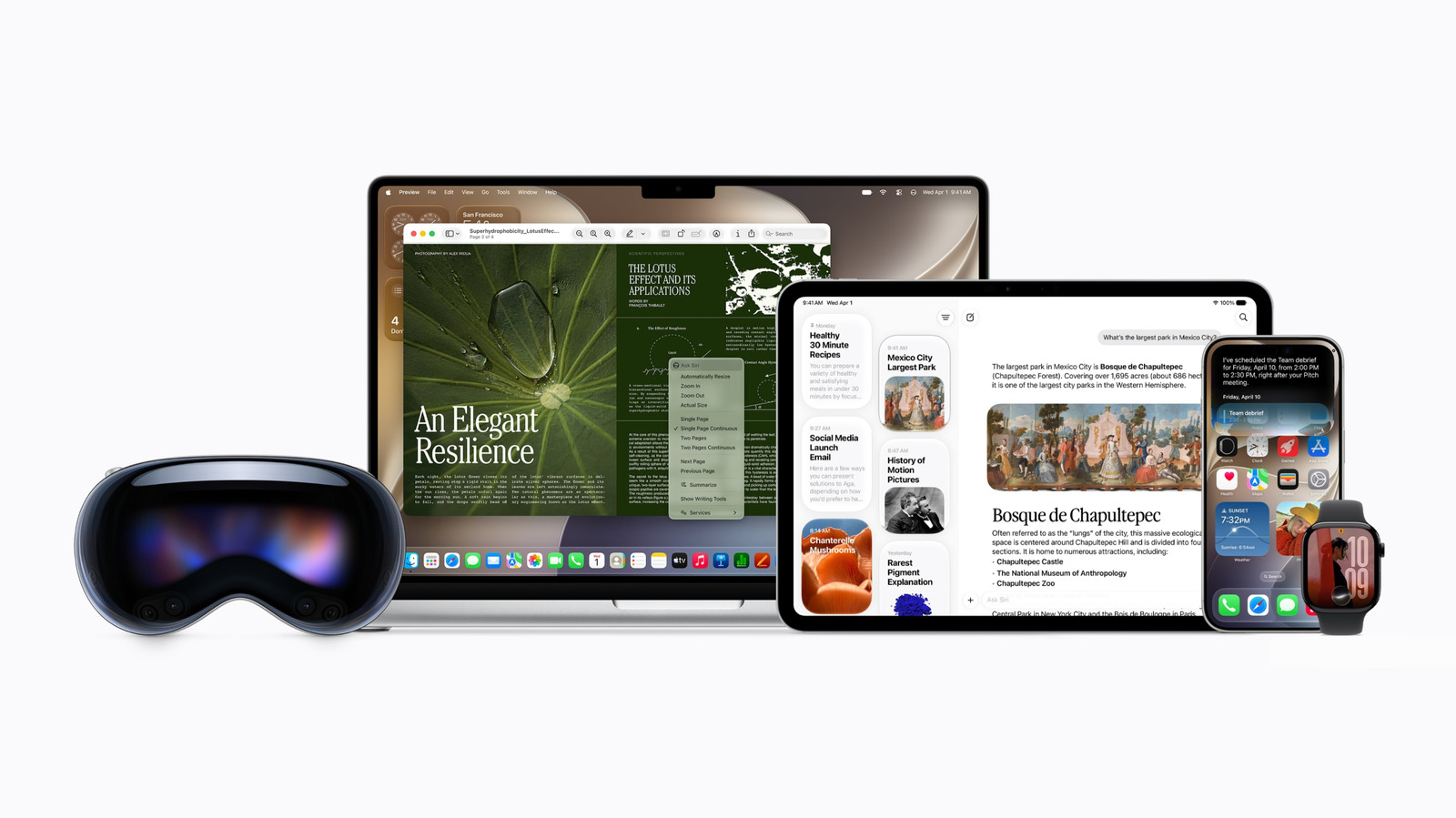
Apple said at its September event that iOS 27 will be released on Monday, September 14, together with iPadOS 27, watchOS 27 and macOS 27. It is the public debut of the rebuilt Siri, which Engadget says Apple developed in partnership with Google using Gemini models.

Engadget's early testing found that the new Siri could answer complex questions and handle multi-step requests. On the Mac, Siri AI is built into Spotlight.

Compatibility is a big part of the story. Siri AI supports the iPhone 15 Pro and newer, so owners of older iPhones will not get it. The iPhone 17, 17 Pro Max and iPhone Air get a better experience thanks to a more capable on-device model that improves speech recognition and dictation.

iPhone 18 Pro starts at $1,199 and Pro Max at $1,299, up $100

NewsSep 9, 2026 at 10:32 AM

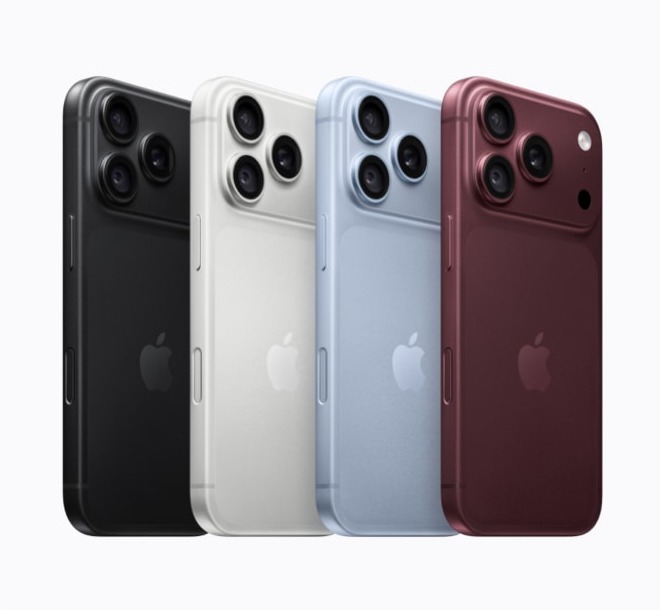
Apple has priced the iPhone 18 Pro at $1,199 and the iPhone 18 Pro Max at $1,299 in the United States. Both figures are $100 higher than the corresponding iPhone 17 models. Each model starts with 256GB of storage.

For the first time the Pro line offers a 2TB tier, above the 1TB ceiling of previous generations. A separate event recap reports that the extra cost of the 1TB option pushes the total price increase over last year to $300.

On the hardware side, MacRumors' event coverage says the phones use a new A20 Pro chip, described there as Apple's first 2-nanometer smartphone processor.

AirPods 5 add stronger open-ear noise cancellation from $129

NewsSep 9, 2026 at 10:00 AM

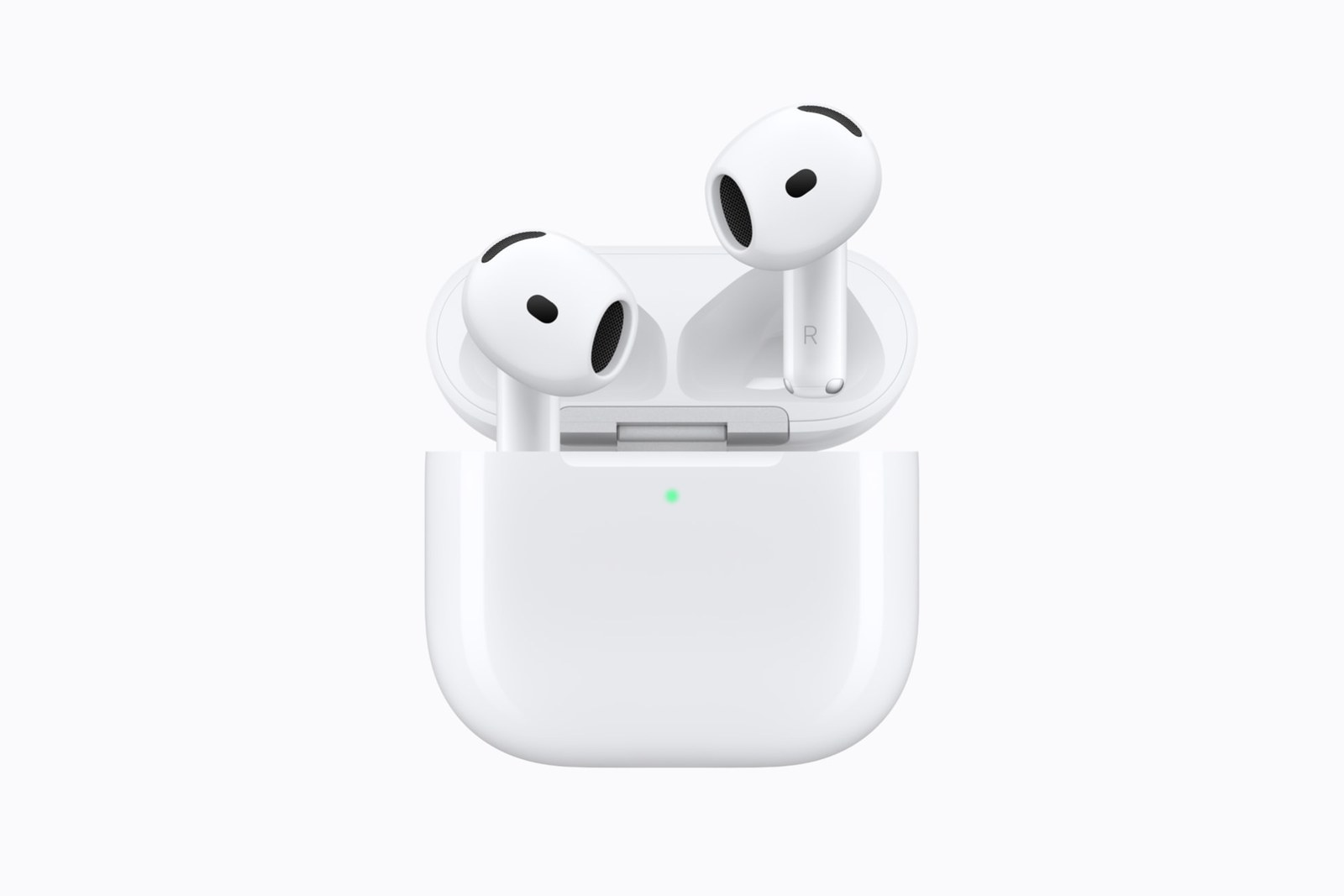
Apple announced the fifth-generation AirPods on September 9. The standard model costs $129 and the version with a Wireless Charging Case costs $149. Pre-orders started the same day, and the earbuds reached stores on September 18 in the US and more than 65 other countries and regions.

The headline change is noise control. Apple says the open-ear active noise cancellation removes up to 50 percent more noise than AirPods 4 with ANC, and Transparency mode is also improved. Adaptive Audio blends the two depending on surroundings, and Conversation Awareness lowers media volume when the wearer starts to speak.

What USB-C meant for the iPhone

AnalysisSep 9, 2026 at 1:00 AM

Before Lightning, iPhones used a wide 30-pin dock connector that dated to the iPod. Apple replaced it with the smaller, reversible Lightning connector with the iPhone 5 in 2012. Lightning stayed on the iPhone for 11 years.

USB-C, meanwhile, spread across laptops, tablets and Android phones. Apple had already moved the Mac and most iPads to the port, which left the iPhone as the notable holdout.

The final push came from regulation. In 2022 the European Union adopted rules requiring a common charging port for many portable electronics sold in the bloc, which applied to phones from December 28, 2024. Apple said it would comply, and it introduced USB-C on the iPhone 15 family in September 2023.

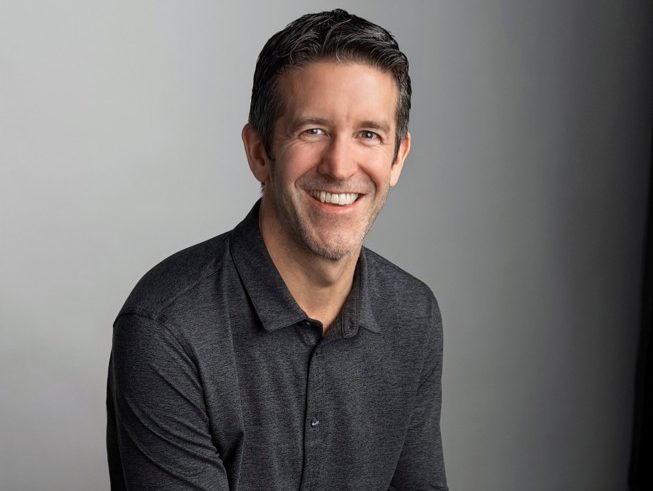
John Ternus takes over as Apple CEO as Tim Cook becomes executive chairman

BusinessSep 1, 2026 at 2:16 AM

John Ternus officially became Apple's chief executive on September 1, 2026, completing a transition that the company announced in April. Tim Cook moved to executive chairman. Reports say he stayed on as CEO through the summer to work alongside Ternus, and that his new role includes engagement with policymakers around the world, particularly in China and Washington.

Arthur Levinson, who had been chairman for 15 years, became lead independent director. Ternus also joined Apple's board.

Ternus was born in 1975, studied mechanical engineering at the University of Pennsylvania and joined Apple's product design team in 2001. He became senior vice president of hardware engineering in 2021.

Phil Schiller steps back from the App Store and Apple events

BusinessAug 31, 2026 at 9:54 AM

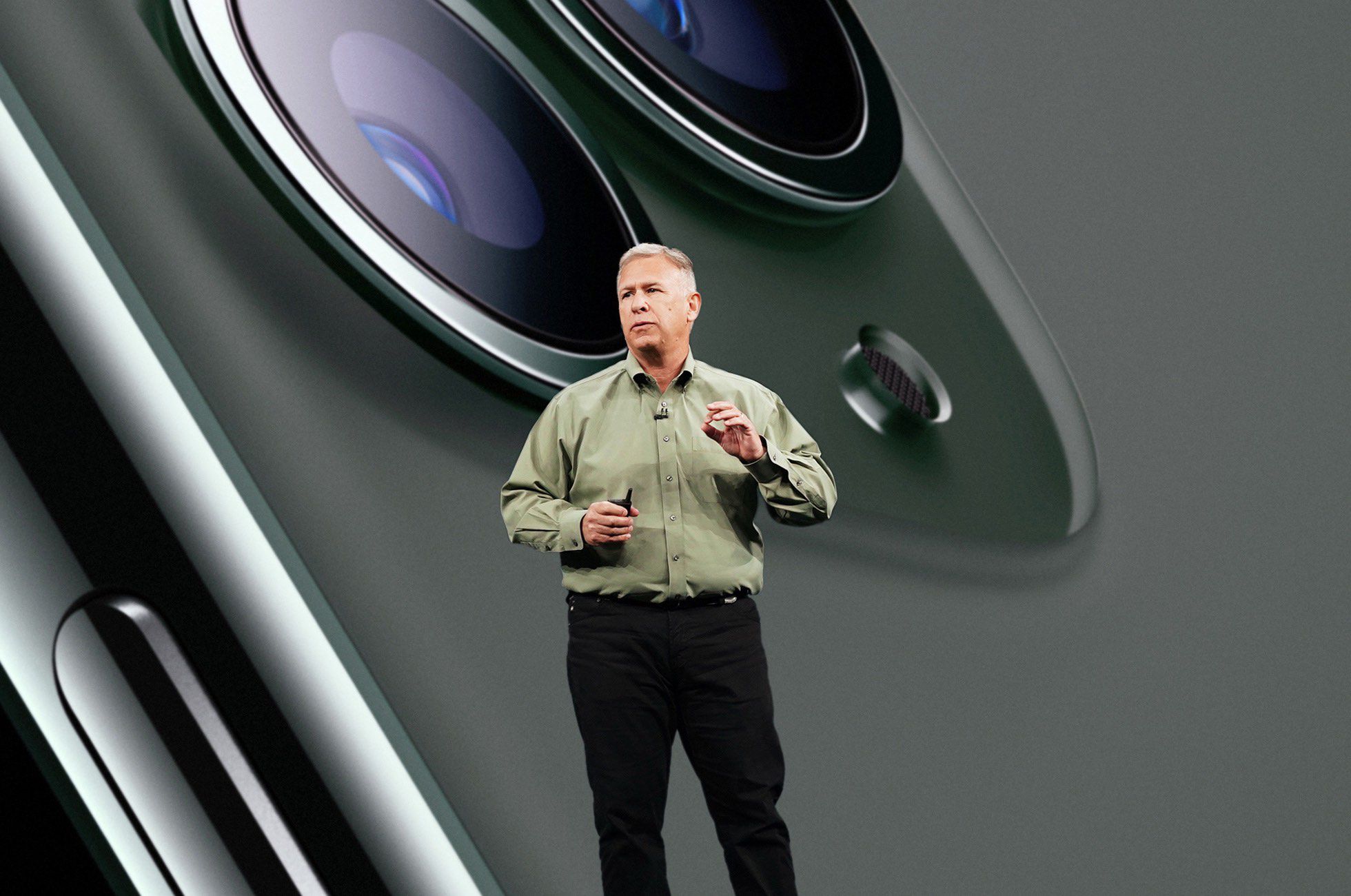
Bloomberg reported on August 31 that longtime Apple executive Phil Schiller is no longer running the App Store or overseeing Apple's product events. MacRumors covered the report.

Schiller is not leaving Apple. He keeps the title of Apple Fellow and is said to be working on unspecified projects. Employees quoted by Bloomberg suggested the 66-year-old appears to be moving towards retirement, though that is an interpretation rather than an announcement.

Responsibility for the App Store goes to Eddy Cue, who oversees services and ran the store until 2015. Carson Oliver, a longtime member of the App Store team, will handle day-to-day operations.

A timeline of Apple's retail stores

HistoryAug 30, 2026 at 2:00 AM

2001. Apple opened its first two retail stores on May 19, 2001, at Tysons Corner, Virginia, and in Glendale, California. Many commentators predicted they would struggle. The stores were designed around hands-on use, with products on open tables rather than behind glass.

2001 to 2002. The Genius Bar, an in-store support counter, became a signature feature. Apple expanded steadily across the U.S.

2003. The first store outside the U.S. opened in Tokyo's Ginza district. London's Regent Street flagship followed in 2004.

2006. The glass cube entrance on Fifth Avenue in New York opened on May 19, 2006, and quickly became a landmark. It operates around the clock.

Apple confirms September 9 event, "Surprise and shine"

NewsAug 26, 2026 at 9:02 AM

Apple sent out invitations on August 26 for its September event, scheduled for Wednesday, September 9 at 10 a.m. Pacific time. The tagline on the invitation was "Surprise and shine."

Ahead of the event, 9to5Mac summarised what was widely expected. The iPhone 18 Pro and iPhone 18 Pro Max were reported to keep the size and basic design of their predecessors, with changes aimed at the display, camera and connectivity. Rumored details included a variable-aperture main camera, a smaller Dynamic Island and Apple's C2 modem.

Apple unveils M6 and M5 Ultra chips in new Mac mini and Mac Studio

NewsAug 25, 2026 at 11:40 AM

Apple announced new Mac mini and Mac Studio models on August 25, an unusual time of year for Mac hardware. Pre-orders opened right away, with deliveries and in-store availability from September 22.

The Mac mini now comes with either the new M6 or an M5 Pro. TidBITS describes the M6 as Apple's first chip on a 2-nanometer process, with a 12-core CPU and a 12-core GPU that includes Neural Accelerators. Apple says multithreaded CPU performance is about 1.2 times that of the M5. Both Mac mini versions gain Wi-Fi 7, Bluetooth 6 and Thread support through the N1 chip, and 2.5Gb Ethernet is standard.

The Apple Watch story: from fitness tracker to health device

HistoryAug 18, 2026 at 3:00 AM

Apple unveiled the Apple Watch in September 2014 and began selling it on April 24, 2015. The first model leaned on a paired iPhone and pitched itself as a communication, fitness and fashion device. Apple even sold a gold Edition model.

The second generation, in 2016, added built-in GPS and water resistance for swimming. Series 3, in 2017, offered optional cellular connectivity, which allowed calls and data without an iPhone nearby.

Series 4 in 2018 enlarged the display and introduced the electrocardiogram app, a milestone that turned the watch into a health-screening device in supported countries. Fall detection arrived at the same time. Series 5 in 2019 added an always-on display. Series 6 in 2020 added a blood oxygen sensor.

From A4 to today: how Apple became a chip designer

AnalysisAug 5, 2026 at 2:00 AM

Early iPhones used processors designed by other companies, including Samsung chips based on ARM designs. Apple's decision to build its own began in earnest in 2008, when it acquired the chip design firm P.A. Semi. In 2010 it bought Intrinsity, which added further expertise.

The A4 debuted in the original iPad in 2010 and the iPhone 4 the same year. It was the first system on a chip Apple could call its own, even though it still used ARM building blocks.

Over the next few years Apple grew its chip team and published steady gains. The A7, in the iPhone 5s in 2013, was the first 64-bit processor in a smartphone, which caught rivals off guard.