Analysis

How Apple silicon changed the Mac

AnalysisOct 8, 2026 at 3:30 AM

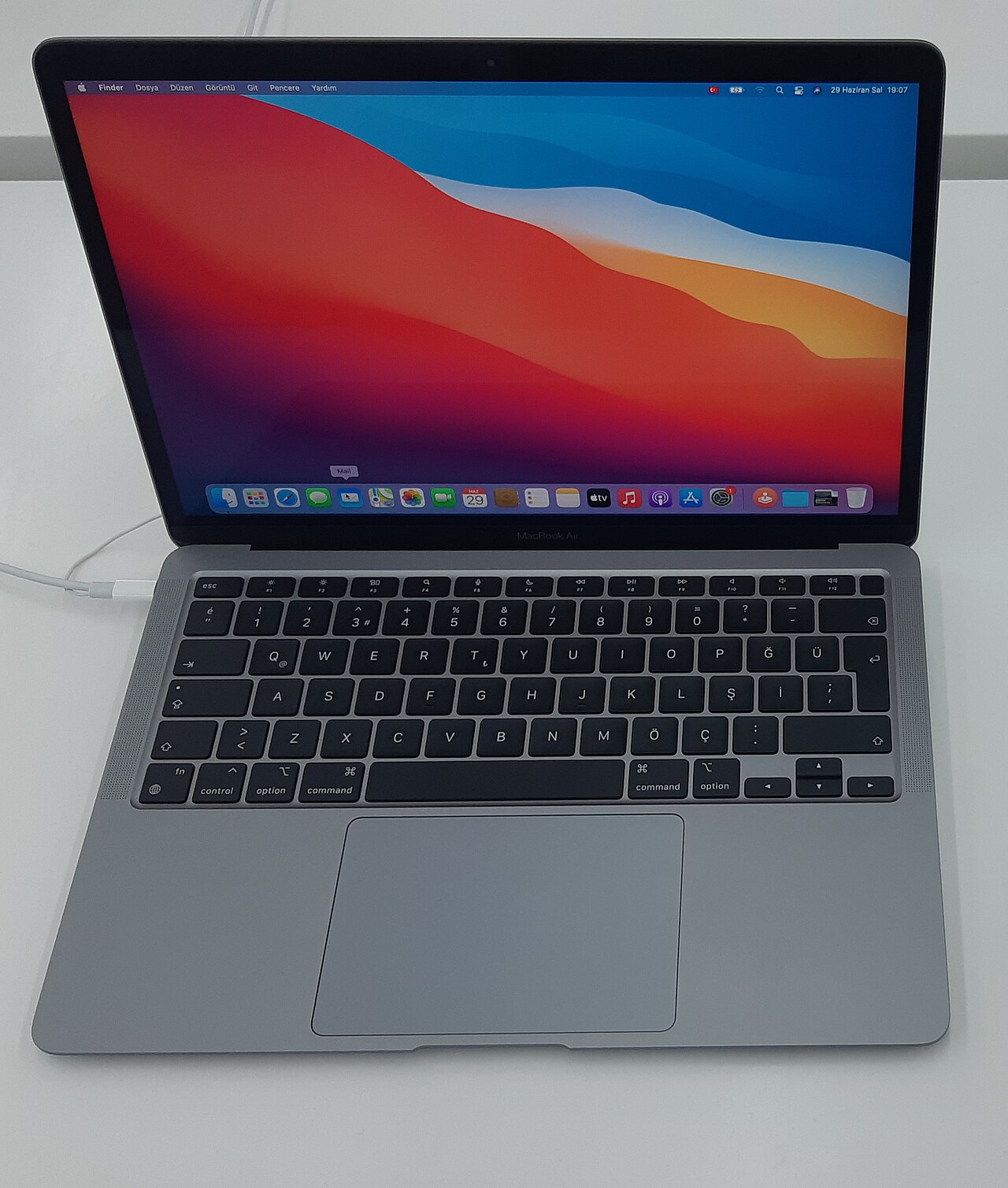
At WWDC in June 2020, Apple announced that the Mac would move from Intel processors to chips of its own design. It was the Mac's third major processor transition, after the move from Motorola 68000 chips to PowerPC in the 1990s and the switch to Intel in 2006.

The first result was the M1 in November 2020. It put the CPU, GPU, Neural Engine and memory into a single system on a chip. Because memory is shared among all the processing units, data does not have to be copied between separate pools, and Apple calls this unified memory architecture.

What USB-C meant for the iPhone

AnalysisSep 9, 2026 at 1:00 AM

Before Lightning, iPhones used a wide 30-pin dock connector that dated to the iPod. Apple replaced it with the smaller, reversible Lightning connector with the iPhone 5 in 2012. Lightning stayed on the iPhone for 11 years.

USB-C, meanwhile, spread across laptops, tablets and Android phones. Apple had already moved the Mac and most iPads to the port, which left the iPhone as the notable holdout.

The final push came from regulation. In 2022 the European Union adopted rules requiring a common charging port for many portable electronics sold in the bloc, which applied to phones from December 28, 2024. Apple said it would comply, and it introduced USB-C on the iPhone 15 family in September 2023.

From A4 to today: how Apple became a chip designer

AnalysisAug 5, 2026 at 2:00 AM

Early iPhones used processors designed by other companies, including Samsung chips based on ARM designs. Apple's decision to build its own began in earnest in 2008, when it acquired the chip design firm P.A. Semi. In 2010 it bought Intrinsity, which added further expertise.

The A4 debuted in the original iPad in 2010 and the iPhone 4 the same year. It was the first system on a chip Apple could call its own, even though it still used ARM building blocks.

Over the next few years Apple grew its chip team and published steady gains. The A7, in the iPhone 5s in 2013, was the first 64-bit processor in a smartphone, which caught rivals off guard.