#apple silicon

Every story tagged #apple silicon

TSMC approves up to $1 billion in OpenAI and Anthropic stakes, MacRumors reports

BusinessNov 11, 2026 at 8:14 PM

TSMC, the company that manufactures Apple's custom silicon, has approved plans to invest up to $1 billion in artificial intelligence companies, MacRumors reports.

According to the report, TSMC's board authorized up to $500 million in shares of OpenAI and up to $500 million in shares of Anthropic. The board also approved up to $500 million to set up a separate company that would invest in semiconductor businesses and the broader chip industry. MacRumors points to a TSMC press release as the basis for the details.

TSMC fabricates the chips behind iPhone, iPad and Mac, so its strategic choices tend to matter to Apple. MacRumors notes that both OpenAI and Anthropic are working on their own processors, and that the new stakes deepen TSMC's ties to companie…
How Apple silicon changed the Mac

AnalysisOct 8, 2026 at 3:30 AM

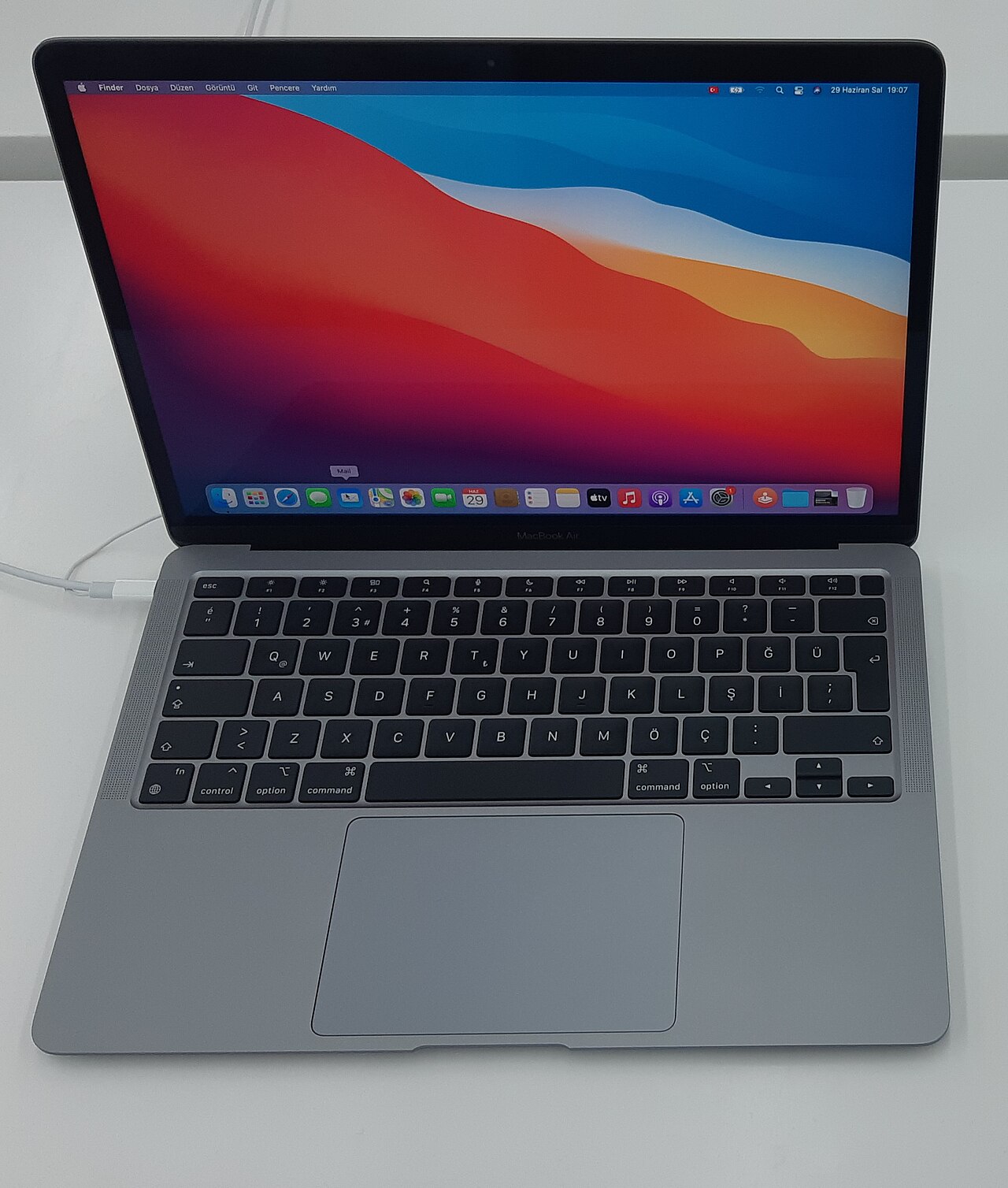
At WWDC in June 2020, Apple announced that the Mac would move from Intel processors to chips of its own design. It was the Mac's third major processor transition, after the move from Motorola 68000 chips to PowerPC in the 1990s and the switch to Intel in 2006.

The first result was the M1 in November 2020. It put the CPU, GPU, Neural Engine and memory into a single system on a chip. Because memory is shared among all the processing units, data does not have to be copied between separate pools, and Apple calls this unified memory architecture.

From A4 to today: how Apple became a chip designer

AnalysisAug 5, 2026 at 2:00 AM

Early iPhones used processors designed by other companies, including Samsung chips based on ARM designs. Apple's decision to build its own began in earnest in 2008, when it acquired the chip design firm P.A. Semi. In 2010 it bought Intrinsity, which added further expertise.

The A4 debuted in the original iPad in 2010 and the iPhone 4 the same year. It was the first system on a chip Apple could call its own, even though it still used ARM building blocks.

Over the next few years Apple grew its chip team and published steady gains. The A7, in the iPhone 5s in 2013, was the first 64-bit processor in a smartphone, which caught rivals off guard.