

Apple is reportedly looking at a new way to build the displays behind its OLED push, according to a report from the Korean publication The Elec that MacRumors summarized on Tuesday.
What the report says
The technology is called high-mobility oxide, or HMO, a type of thin-film transistor backplane. The backplane is the layer of transistors that switches each pixel on and off, and it matters most for high-resolution OLED panels that need to run efficiently. The Elec says conventional oxide transistors reach an electron mobility of roughly 10 cm²/Vs, while HMO targets 30 to 50 cm²/Vs.
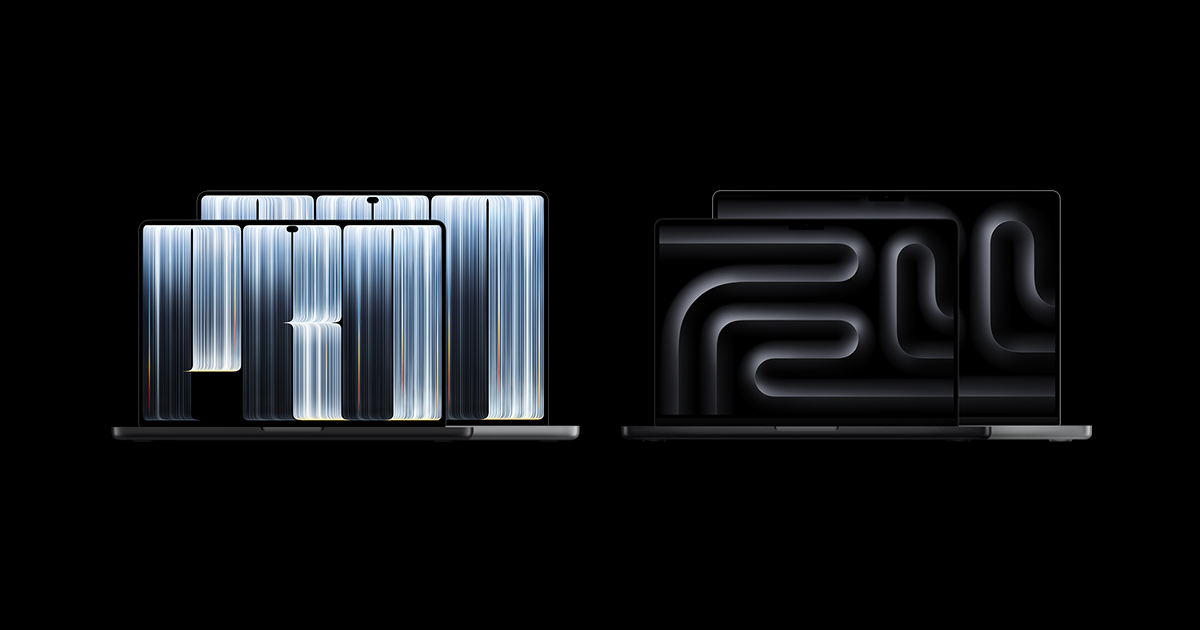
Apple is said to be evaluating HMO as a possible successor to LTPO, the backplane type used in current iPhones and in the OLED iPad Pro. Display analyst Ross Young is cited as saying HMO is already used in the new touchscreen MacBook Pro, and that Apple may want to expand production of it for other products.
Which products could be next
The Elec names future MacBooks and iMacs as possible applications. MacRumors notes that Apple is reportedly testing OLED panels for future MacBook Air and iMac models, though both are described as some way off. Bloomberg's Mark Gurman has said he expects a MacBook Air refresh in early 2027 but has not given a timeframe for an OLED switch.
The suppliers
Samsung Display and LG Display are both reportedly developing HMO transistors, and each is pursuing two deposition methods. Sputtering is considered easier to fit into existing production lines, and both companies are said to be prioritizing it. Atomic layer deposition is slower, building films one atomic layer at a time, but allows tighter control of the oxide layers. Both firms are reportedly validating the performance and stability of each approach.
What is still unknown
The report gives no production timeline for HMO or for OLED in other Mac models. Despite the MacRumors headline describing a cheaper way to make the technology, the details summarized there include no cost figures. Apple has not commented on its display supply chain plans, and all of this should be treated as unconfirmed reporting from industry sources.
The new MacBook Pro line, which went on sale last week, is Apple's first Mac to use an OLED display. If the report is accurate, the manufacturing groundwork for extending that panel technology to more Macs is already being tested with Apple's display suppliers.
0 comments