
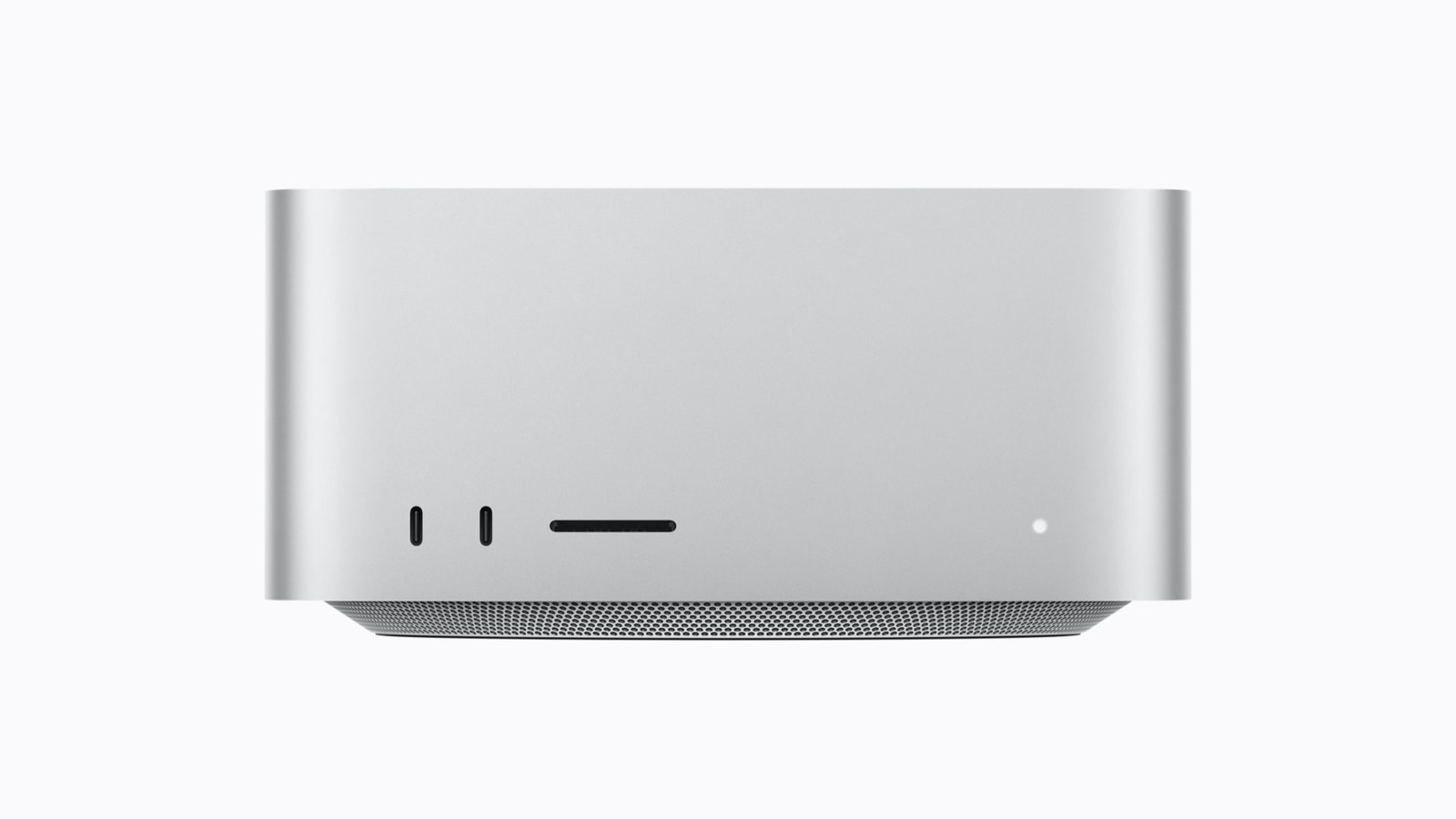
Meta has released a new open-weight AI model, Muse Spark Open, and says Apple's Mac Studio is the best way to run it on a desktop. The company announced the model on October 15 and described it as the most capable U.S. open-weight model to date.
What Meta says it built
According to Meta, Muse Spark Open has 816 billion total parameters, with 42 billion active at any time, and a context window of 1 million tokens. The company positions it for coding and agentic work, saying it is strong at extended tasks, multi-step reasoning and software engineering.
The model is free to download, and Meta's license allows limited commercial use. Weights are available through Amazon SageMaker AI, Google Cloud Model Garden, Hugging Face and Microsoft Foundry Models. Hosted API access is offered by providers including Baseten, Fireworks AI, Groq, Modal, Nebius, OpenRouter and Together AI.
The Apple connection
Meta says it worked with Apple on running the model locally. According to the company, the full model fits on a desktop setup of two Mac Studio systems, each with an M5 Ultra and 512GB of unified memory, using Apple's MLX framework. Meta says the chip's roughly 1.2 TB/s of memory bandwidth is enough to read the small set of parameters needed for each token, and describes two linked machines as acting like one system with a terabyte of unified memory.
Meta chief executive Mark Zuckerberg thanked Apple CEO John Ternus for the collaboration, and Ternus replied on X, praising how efficiently the model runs on a desktop, MacRumors reports. Axios quoted Meta AI chief Alexandr Wang as saying the company was excited for "mommy and daddy to be playing nice again," a nod to the two companies' history of friction.
What is not yet available
MacRumors notes that Apple has not yet released a 512GB Mac Studio configuration. The site says one is expected later in October, and that the current 256GB model already costs more than $10,000, so a two-machine setup would be a significant investment. Apple has not announced pricing or availability for a larger configuration.
For now, the announcement is mainly a signal of how Apple silicon's large unified memory pool is being pitched for running big local models, rather than a product launch from Apple itself.


0 comments