
Apple has published a detailed technical explanation of how its newest devices handle always-on camera and microphone features without exposing raw audio or video to the rest of the system. The post, on Apple's Security Research blog and dated November 12, describes a new architecture in Apple silicon called Secure Exclaves.
Why Apple built it
The write-up was prompted by HomeView, the new smart display that can recognize up to six people by face and voice to personalize what it shows. Apple calls this kind of feature ambient sensing: using the camera and microphone to understand the surroundings, then reducing that input to simple signals, such as whether an enrolled user was recognized, rather than recording anything.
Apple says a conventional hardwired indicator light does not suit this job. Such a light would glow continuously, making it impossible to tell a device quietly listening for "Hey Siri" from one actively recording audio and video.
How Secure Exclaves work
According to Apple, Secure Exclaves are protected, compartmentalized runtimes that process camera and microphone data separately from the main operating system, while still drawing on the full power of the application processor. Data handled inside one cannot be read by the main OS, by apps, or by Apple, the company says.
The design has two modes for each sensor. In ambient mode, a sensor can react to specific triggers but may share only limited metadata with the rest of the system. In active mode, full sensor data can be released to the main OS, and a secure indicator tells the user it is happening. Apple lists three requirements: isolation, a tightly controlled interface across the boundary, and an indicator the main OS cannot interfere with.
On the software side, Apple says it used a customized version of the L4 microkernel, originally developed for highly security-sensitive deployments including the Secure Enclave Processor. It also describes memory isolation as a serious engineering challenge, and points to its Secure Page Table Monitor, introduced in earlier releases, as groundwork.
Where it is used
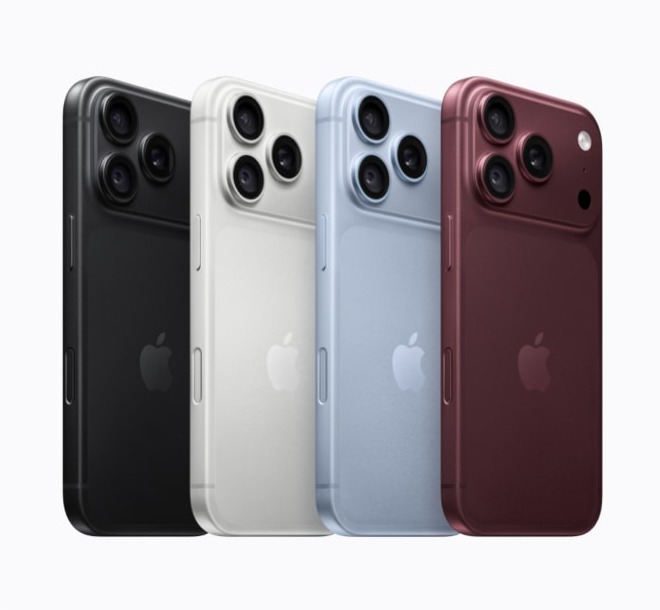
Apple says Secure Exclaves power person recognition on HomeView and the Siri Recap and Live Rewind features. They also protect the on-screen camera and microphone indicators on iPhone 18 Pro, iPhone 18 Pro Max and iPhone Duo, and the camera indicators on MacBook Neo and HomeView.
Apple describes the architecture as the most advanced for ambient sensing in the industry. That is the company's own claim, and the post is Apple's account rather than an independent assessment. MacRumors was among the outlets to highlight the post. The full technical detail, including the formal verification approach for the microkernel, is available in Apple's original article.


0 comments