
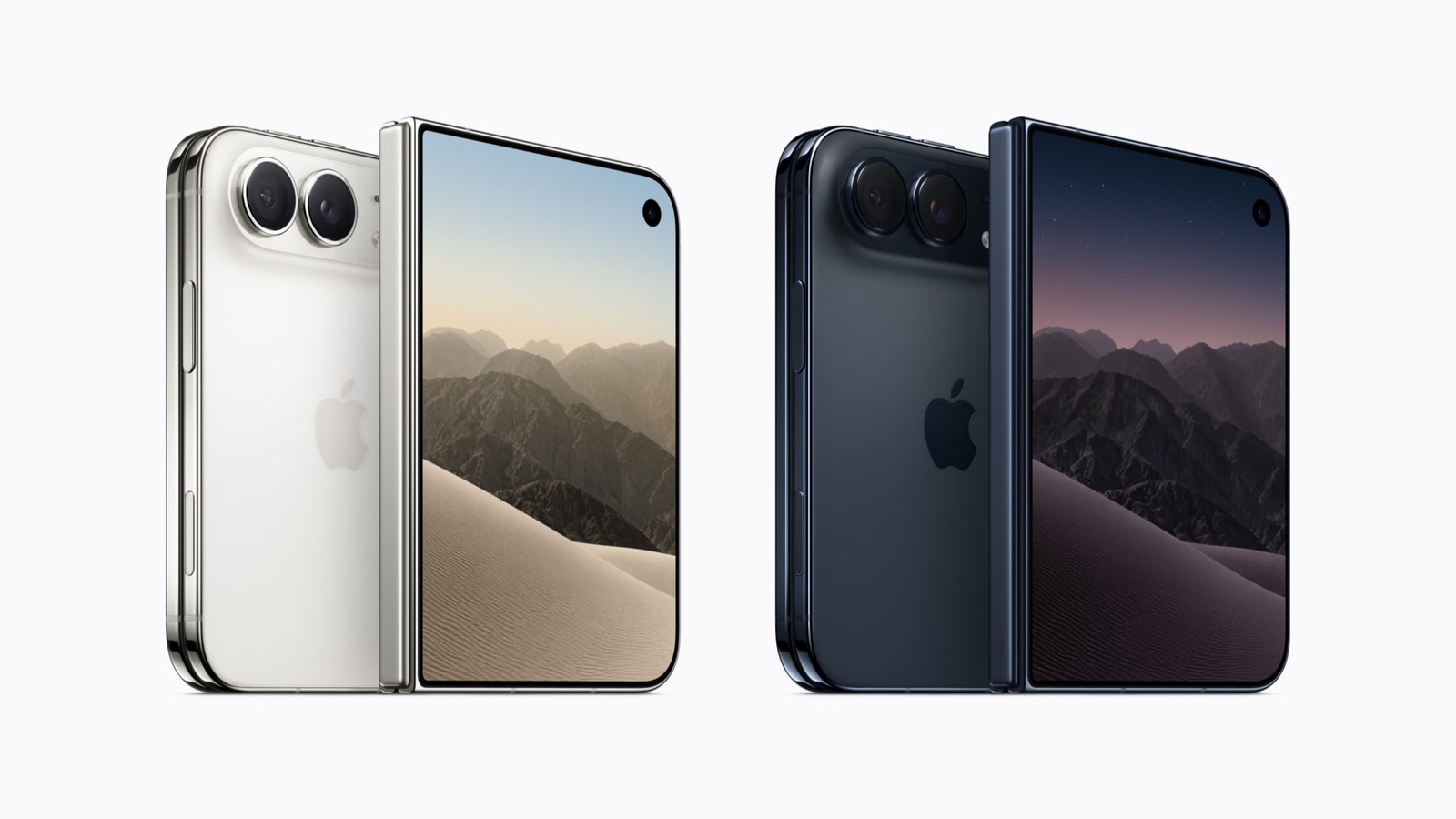
Market research firm TrendForce now expects Apple to take close to 30 percent of the global foldable smartphone market in 2027, according to a report published on October 28 and covered by 9to5Mac. If the forecast holds, the iPhone Duo would help push Apple into second place in the segment within roughly a year of the product's arrival.
The numbers
TrendForce projects that Apple will hold 29.8 percent of foldable shipments in 2027. The firm's earlier September forecast put Apple at 5 million iPhone Duo units shipped by the end of 2026, equal to 24.8 percent of the segment this year.
The research firm expects the overall foldable market to grow to 23.5 million units in 2027, an increase of 16.3 percent. By comparison, it expects 2026 growth of just 0.5 percent, and says shipments from Android brands alone are likely to fall by more than 20 percent year over year in 2026.
How rivals stack up
Under TrendForce's projections, Samsung stays in first place but slips from a 35.1 percent share in 2026 to 31.9 percent in 2027. Huawei is expected to drop from 24.8 percent to 21.3 percent, which would leave Apple ahead of it.
Why Apple could win share
TrendForce attributes Apple's expected momentum to its control over chips, software and the developer ecosystem. The firm also cautions that the Duo's broader appeal will depend on improving app compatibility and hardware reliability. That second point is notable given that Apple has already acknowledged that a small number of units have shown cracks in the inner display, as reported earlier this week.
A forecast, not a result
These are analyst projections rather than reported sales, and Apple does not break out iPhone Duo shipments. According to 9to5Mac, TrendForce issued the update after the device had been on sale for only about a week, so the data behind it is very early. Apple has not commented on the forecast.
TrendForce also expects further foldable growth to come from display improvements and new AI use cases. Whether the Duo can sustain a share near 30 percent will depend on how the first generation holds up with buyers, and on how quickly rivals respond with cheaper or more refined designs.
0 comments