
Apple introduced the first iPod on October 23, 2001. It stored 5GB, or about 1,000 songs by Apple's pitch, used a mechanical scroll wheel and connected through FireWire. It cost $399 and worked only with Macs at first.
Sales grew slowly until Apple widened the audience. A second generation worked with Windows, and the iTunes Store, opened in April 2003, offered legally licensed downloads at 99 cents a track. Together, hardware, software and store formed the model Apple would later repeat with other products.
The line then diversified. The iPod mini, a smaller aluminum player, arrived in 2004. The iPod shuffle, a screenless flash player, and the iPod nano followed in 2005. The iPod photo and video-capable models added color screens, and the iPod classic kept the hard drive format for large libraries.
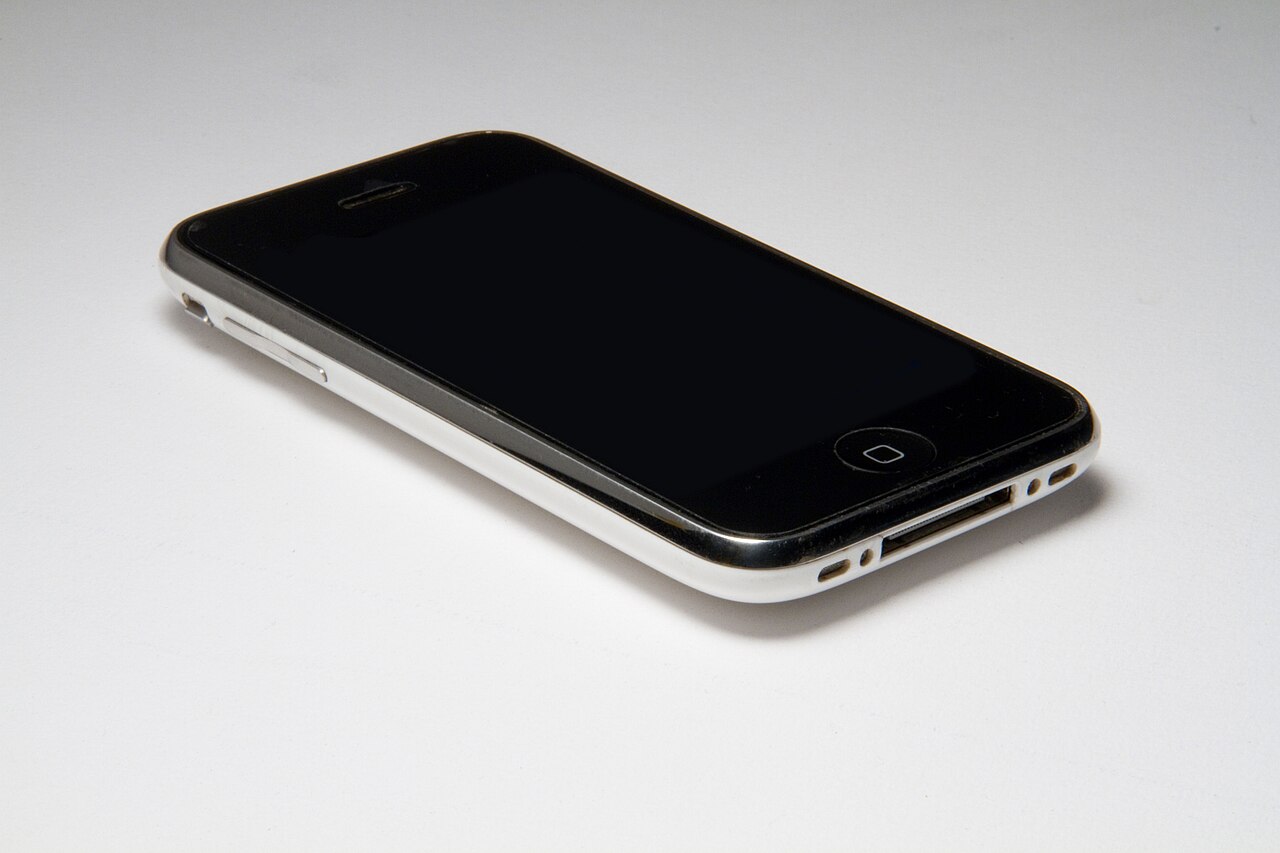
The iPod touch launched in 2007 with the same multi-touch interface as the iPhone, minus the phone. For many young users it became a first introduction to the App Store, games and messaging.
Smartphones eventually absorbed the iPod's role. Apple discontinued the iPod classic in 2014, and the shuffle and nano followed in 2017. The last model, the seventh-generation iPod touch, was discontinued in May 2022.
The iPod's influence is easy to trace. It financed Apple's growth in the early 2000s, taught the company how to run a hardware-plus-content business and set the stage for the iPhone.


0 comments