
Photo: Benoît Prieur / CC0 / Wikimedia Commons · source
PowerBook 170
Top of the first PowerBook line with an active-matrix screen.
Overview
The most capable of the first PowerBooks, the 170 ran at 25 MHz and included a math coprocessor, which suited spreadsheets and engineering work. Its 9.8-inch active-matrix panel was much crisper and faster than the passive screens on its siblings, though still monochrome.
Storage came from a 40 MB hard disk, and 4 MB of memory was installed as standard. A built-in floppy drive kept it self-contained, and the same trackball and wrist-rest layout appeared here.
Its price put it out of reach for most buyers, but it became the aspirational model and the performance benchmark for portables in 1991 and 1992.
Why it mattered
The fastest and best-looking of the original PowerBooks, it showed that a laptop could match a desktop Mac for speed.
At a glance
- Announced
- October 21, 1991
- Released
- October 21, 1991
- Discontinued
- October 19, 1992
- Launch price
- $4,600
- Chip / processor
- Motorola 68030, 25 MHz, with FPU
- Display
- 9.8"
- Storage
- 40 MB
- Status
- Vintage
Highlights
- 25 MHz 68030 with FPU
- Active-matrix display
- 4 MB RAM standard
- Built-in floppy drive
- Premium pricing
Tech specs
Specifications as published at launch. Some values (like battery life) are manufacturer estimates.
Display
- Size
- 9.8-inch
- Type
- Monochrome active-matrix LCD
- Resolution
- 640 x 400
Chip
- Chip
- Motorola 68030, 25 MHz, with 68882 FPU
Memory
- RAM
- 4 MB, expandable to 8 MB
- Storage options
- 40 MB hard drive
Ports
- Ports
- SCSI, ADB, 2 serial, external video
Software
- Launch OS
- System 7.0.1
How it compares
More in the PowerBook family

PowerBook 100
A slim, light Mac that defined how laptops are laid out.
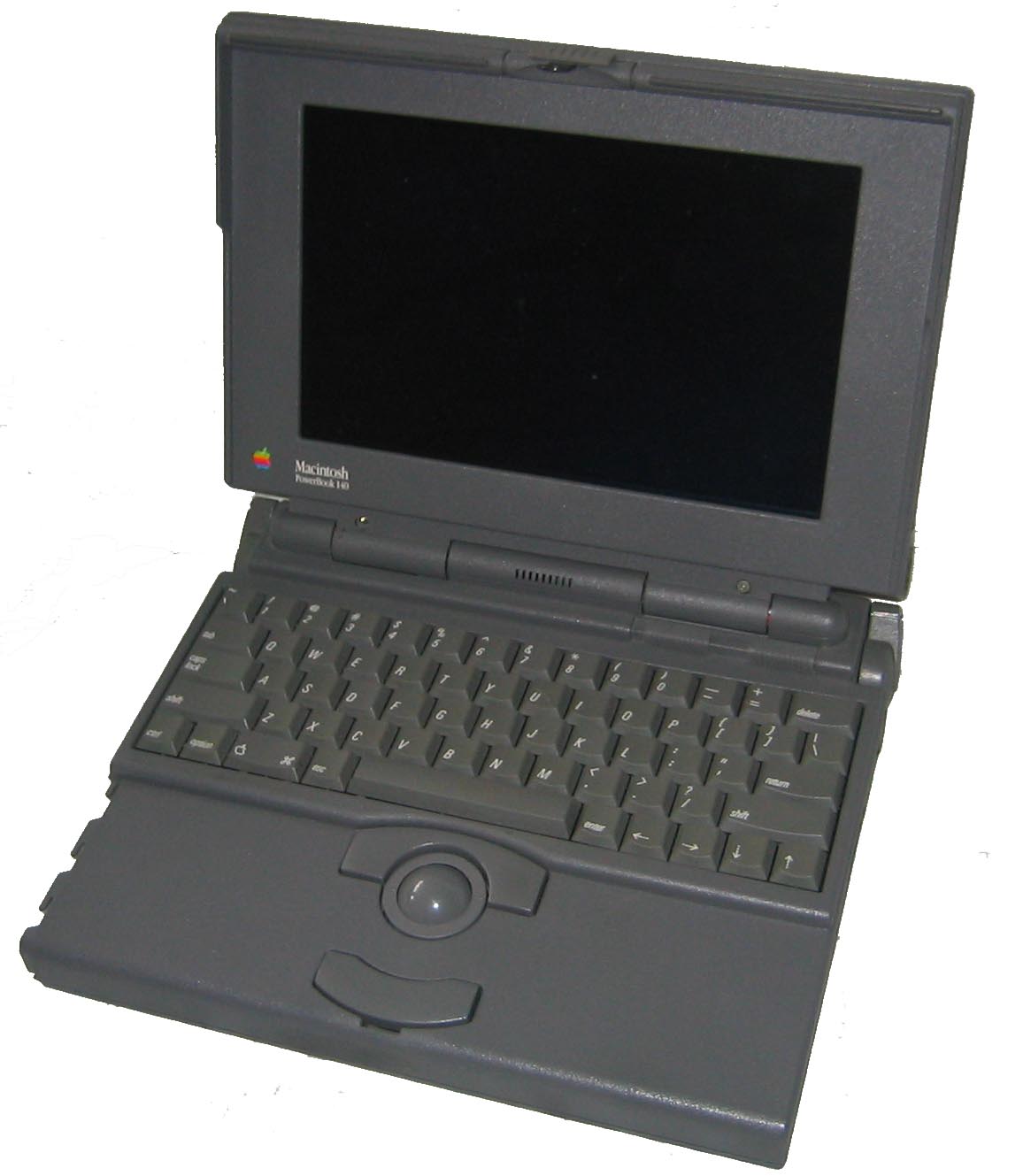
PowerBook 140
The mainstream PowerBook with a faster 68030 and a built-in floppy.
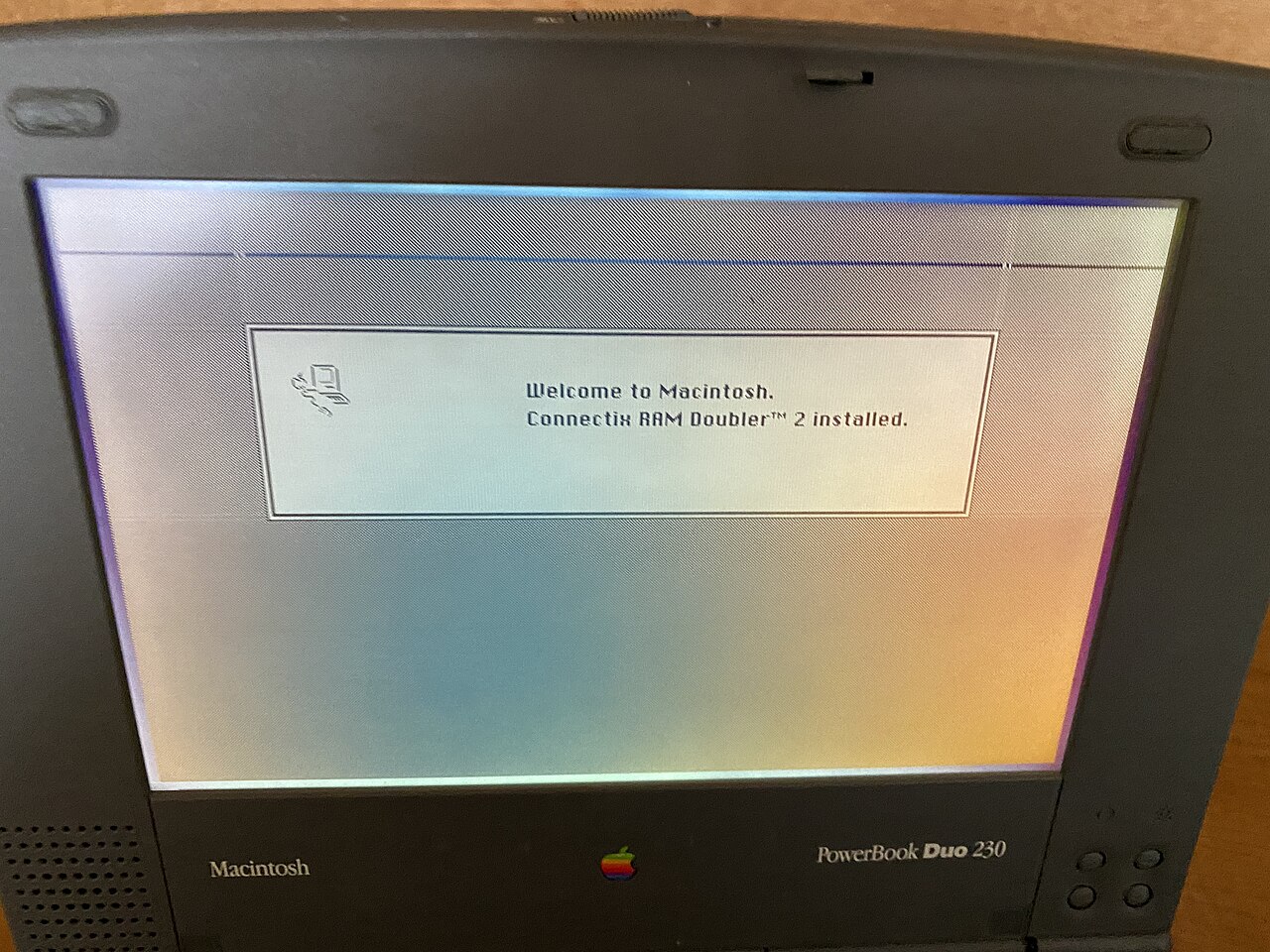
PowerBook Duo 230
An ultralight notebook that docked into a full desktop.

PowerBook 180
The fast 68030 PowerBook with the sharpest grayscale screen yet.

PowerBook 540c
A redesigned flagship with a trackpad and a color screen.
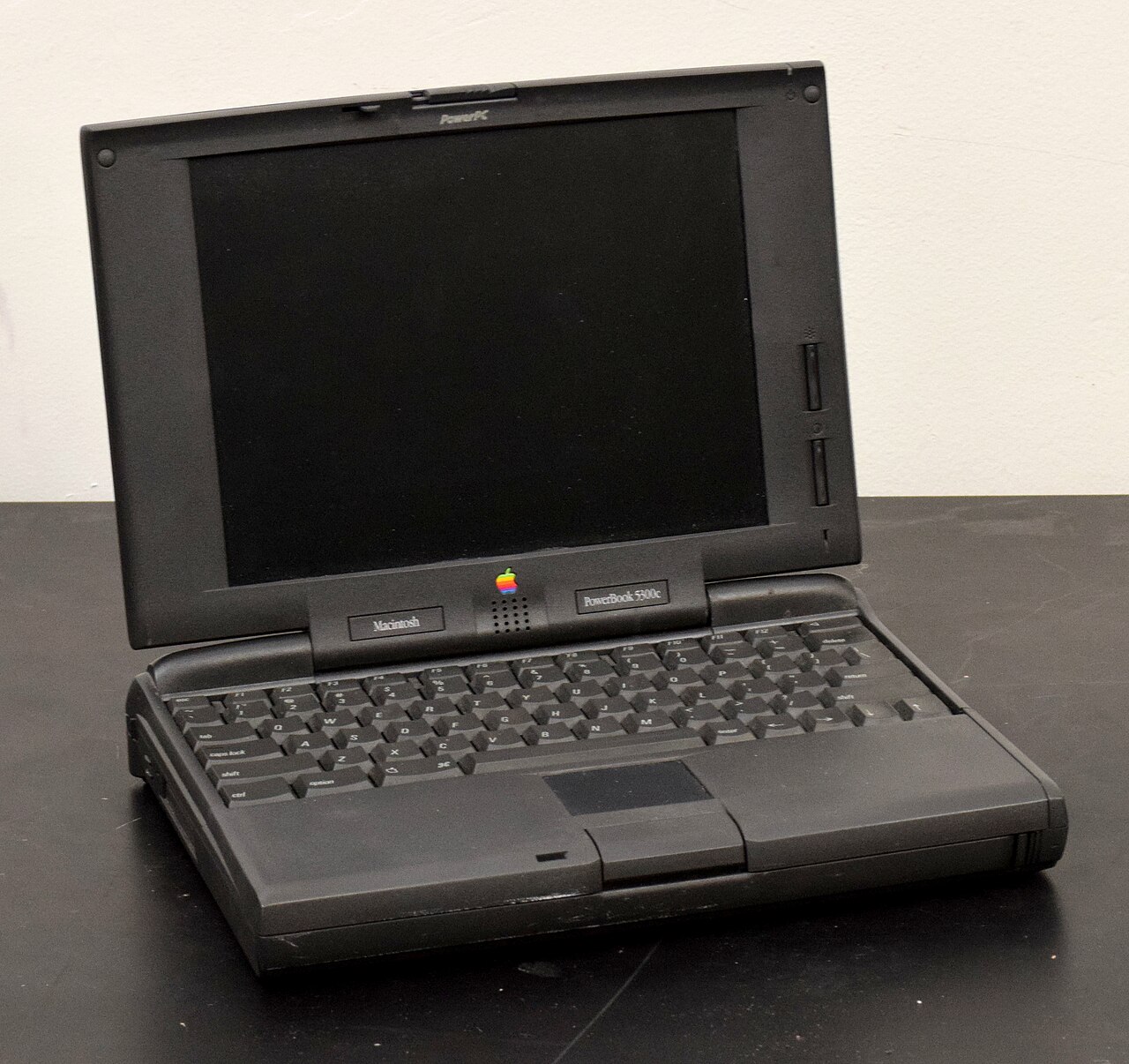
PowerBook 5300
The first PowerPC PowerBook, famous for lithium-ion woes.

PowerBook 1400
A rugged workhorse with a bay for a CD-ROM drive.

PowerBook 3400
Billed as the fastest notebook in the world when it launched.